
Not every sewing machine is built for the same projects. Find the right fit for quilting, garments, embroidery, décor, and more.
Shopping for a sewing machine gets easier when you stop asking, “Which machine is best?” and start asking, “What do I actually want to make?” A beginner hemming pants, a quilter wrestling a lap quilt, and an embroidery lover dreaming up custom sweatshirts all need different things. The right fit should support your projects now and give you room to grow.
If You Want to Sew Clothes, Start with Everyday Features
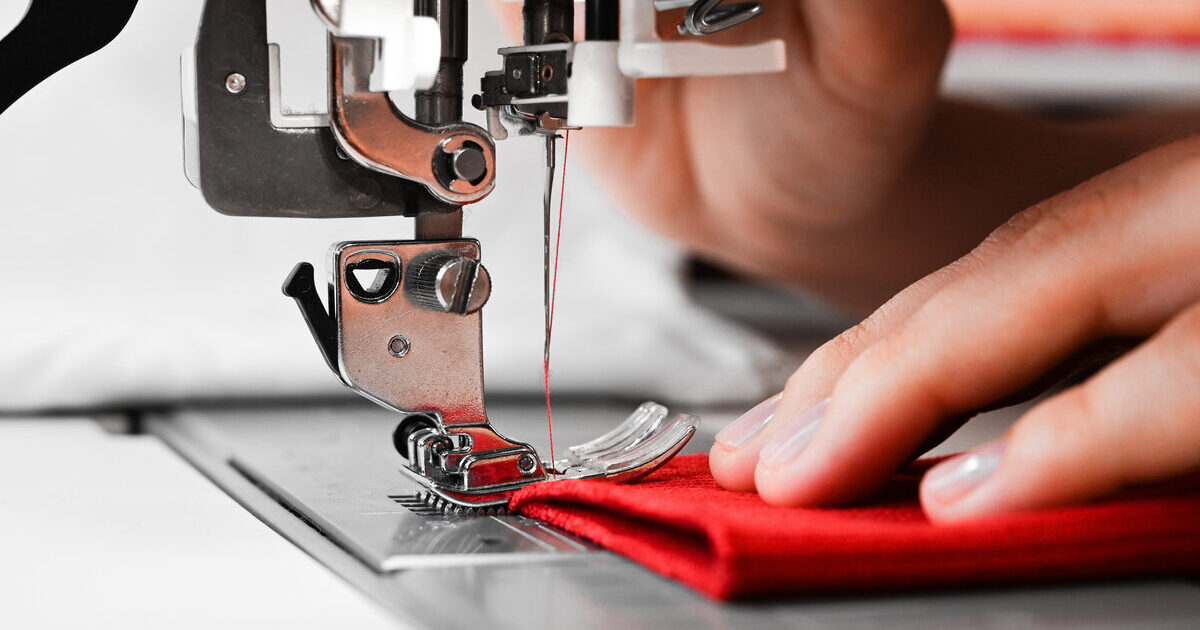
For garment sewing, you don’t need every fancy stitch in the book. You need a dependable sewing machine with strong straight stitches, zigzag stitches, buttonholes, adjustable stitch length and width, and the right presser feet for details like zippers, hems, cuffs, and topstitching.
A free arm is especially helpful for sleeves, pant legs, and smaller round areas. If you plan to sew knits, stretchy fabrics, or lots of clothing, a serger can be a great second machine because it trims, seams, and finishes edges in one pass for a cleaner, stretch-friendly finish.
If Quilts Are Calling, Look for Space and Control
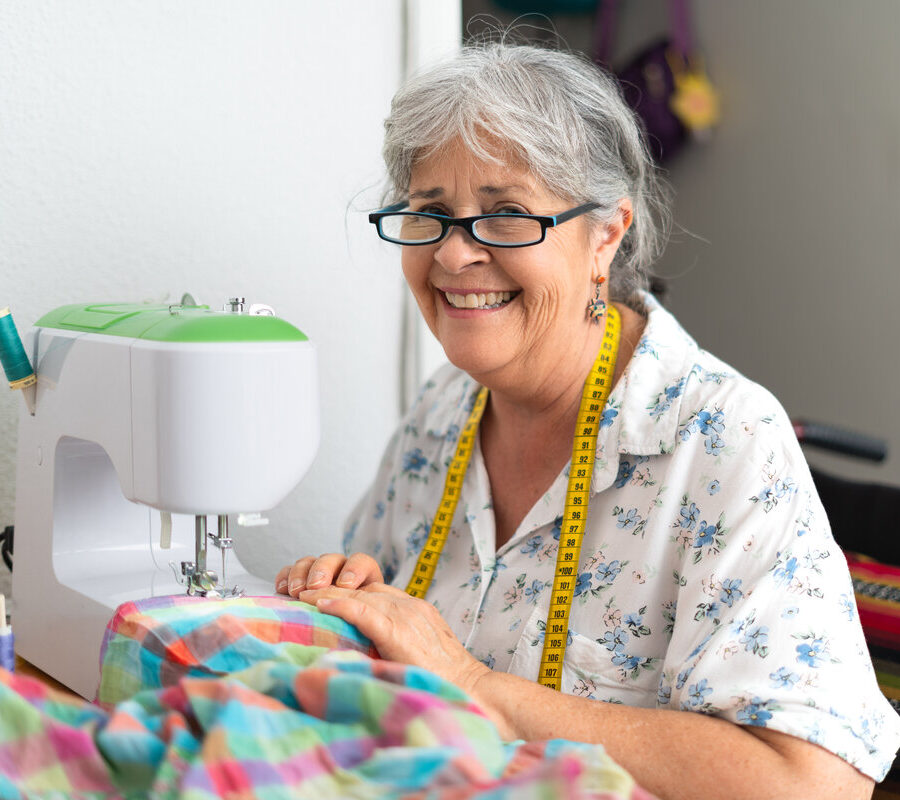
Quilting asks more from a machine because you’re not just joining fabric. You’re piecing accurately, managing layers, and sometimes moving a whole quilt through the throat space.
For quilting, look for a consistent straight stitch, speed control, a quarter-inch foot, a walking foot or dual-feed option, and space to the right of the needle. A walking foot helps feed fabric from the top and bottom at the same time, which can reduce shifting when sewing quilt sandwiches, thick layers, slippery fabrics, or vinyl. If you expect to quilt larger projects often, a quilting-focused machine or longarm may be worth considering.
If Bags, Décor, or Heavy Fabrics Are Your Thing, Think Strength

Totes, pillows, curtains, cushions, and home décor projects can involve bulkier fabrics, thicker seams, interfacing, batting, or multiple layers. In that case, pay attention to motor strength, presser foot lift, needle options, and how smoothly the machine feeds heavier materials.
You may not need an industrial machine for home projects, but you do want something that won’t complain every time it sees canvas, denim, or upholstery-weight fabric. Bring project samples when you shop and try the kind of fabric you’ll actually sew.
If You Want Embroidery, You Need More Than Decorative Stitches

Decorative stitches are fun, but machine embroidery is a different category. Embroidery machines read designs, use hoops, and stitch programmed artwork, lettering, and monograms. Some machines are embroidery-only, while others combine sewing and embroidery.
Pay attention to embroidery field size. Home embroidery fields may start around 4" x 4", while larger fields give you more room for jacket backs, bigger motifs, and fewer re-hoopings. You’ll also want to consider training, stabilizers, thread, design transfer, and how comfortable the controls feel.
Come Try Before You Choose
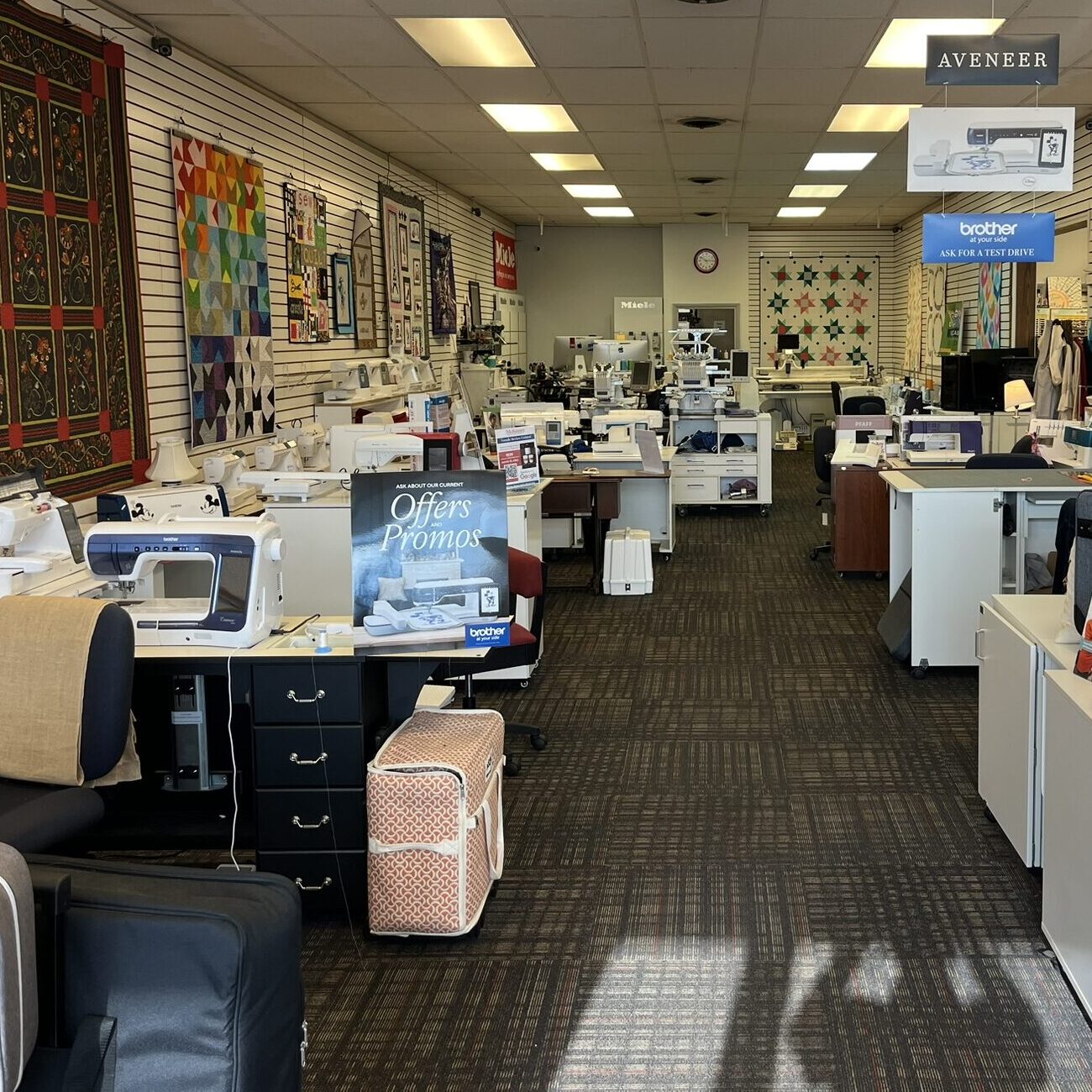
The right machine won’t make the project for you, but it can make the process a whole lot smoother. If you’re choosing between a sewing machine, quilting machine, serger, or embroidery machine, stop by McKinney Sew & Vac and talk through what you want to make. Seeing machines in person, testing features, and asking real project questions can save guesswork.
Recent Posts
Sep. 01, 2026
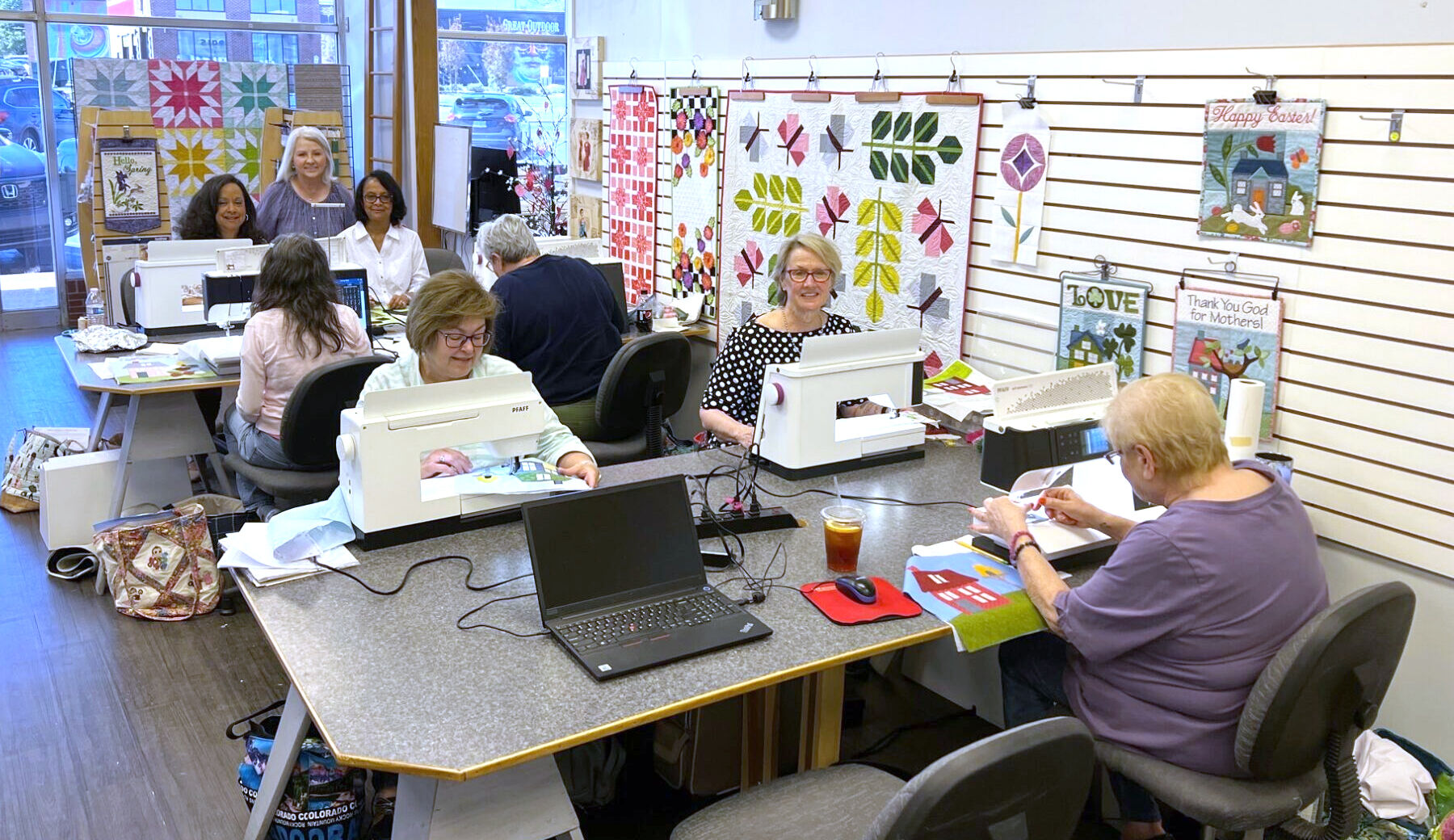
Why Craft Nights, Classes, and Creative Communities Matter More Than Ever
Aug. 03, 2026
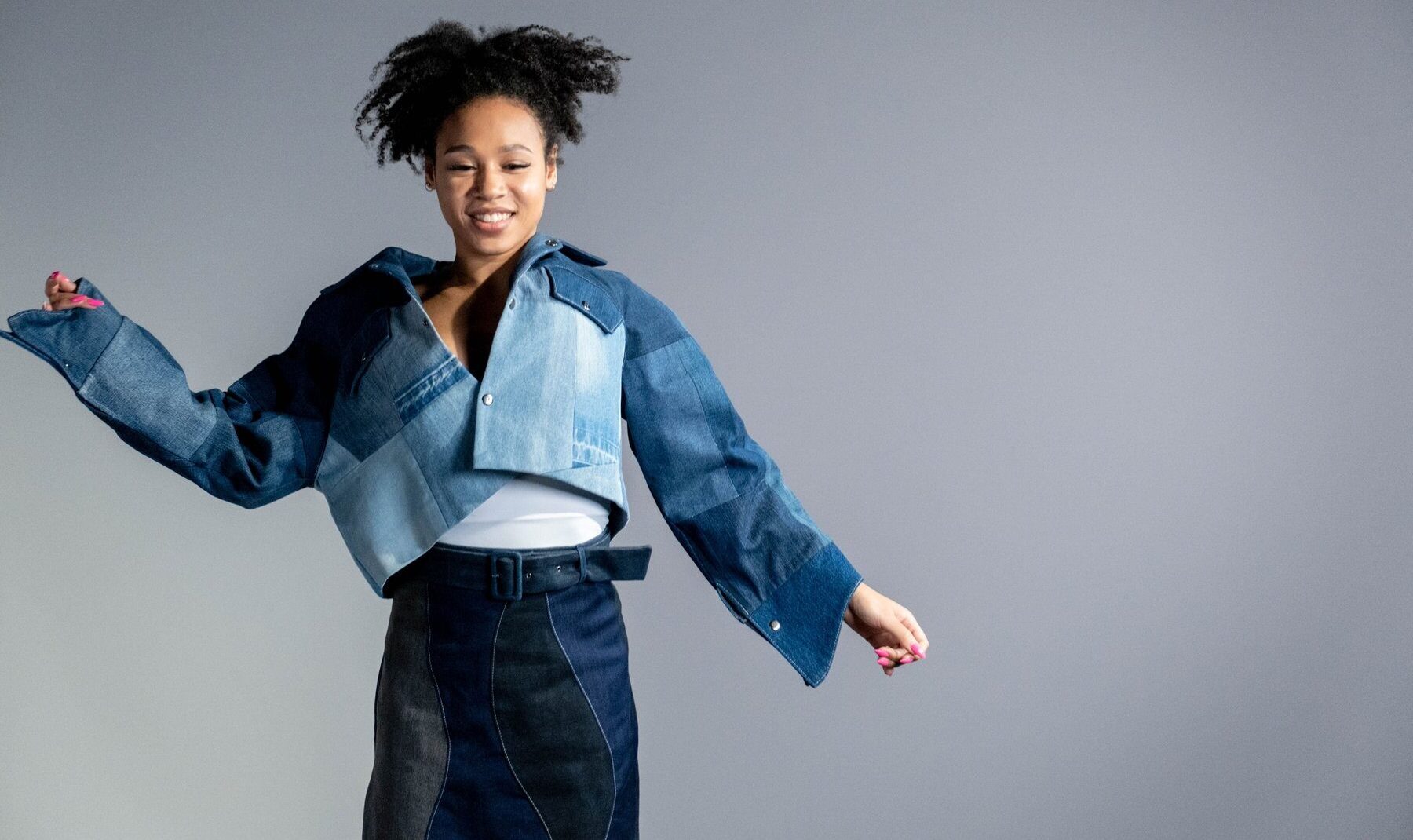
Reworked Denim Is Having a Very Sewable Moment
Jul. 01, 2026
Why Sewing Feels Cool Again
Jun. 08, 2026
What Kind of Sewing Machine Do You Need for the Projects You Actually Want to Make?
Jun. 08, 2026