
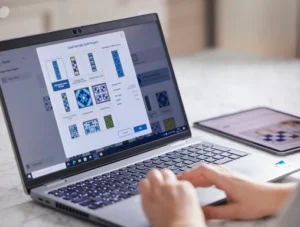

A sewing machine may look great online, but comfort, control, and feel matter too. Try before you buy to find the right fit for you.
Buying a sewing machine online can be tempting. You can compare prices, scroll through reviews, and read feature lists in your pajamas, which is hard to argue with. But a sewing machine isn’t just a box of specs. It’s something you’ll sit with, listen to, guide fabric through, and hopefully enjoy using for years. That’s why seeing a sewing machine in person still matters before you buy.
Features Are Helpful. Feel Is Personal.
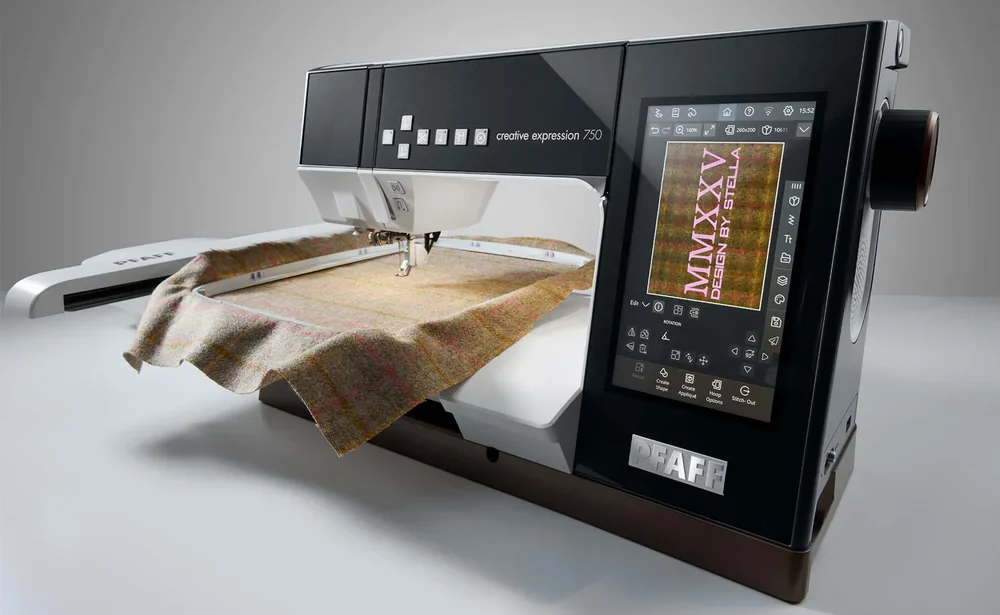
Online descriptions can tell you whether a machine has speed control, a start-stop button, a free arm, or an automatic needle threader. What they can’t tell you is whether those features feel natural to you.
Does the foot pedal respond smoothly? Are the buttons where your hand wants them to be? Can you see the screen clearly? Does the needle threader feel easy, or does it make you want to take a deep breath and walk away?
Those little comfort details matter, especially if you’re learning, upgrading, or planning to sew often.
Controls Should Build Confidence, Not Confusion
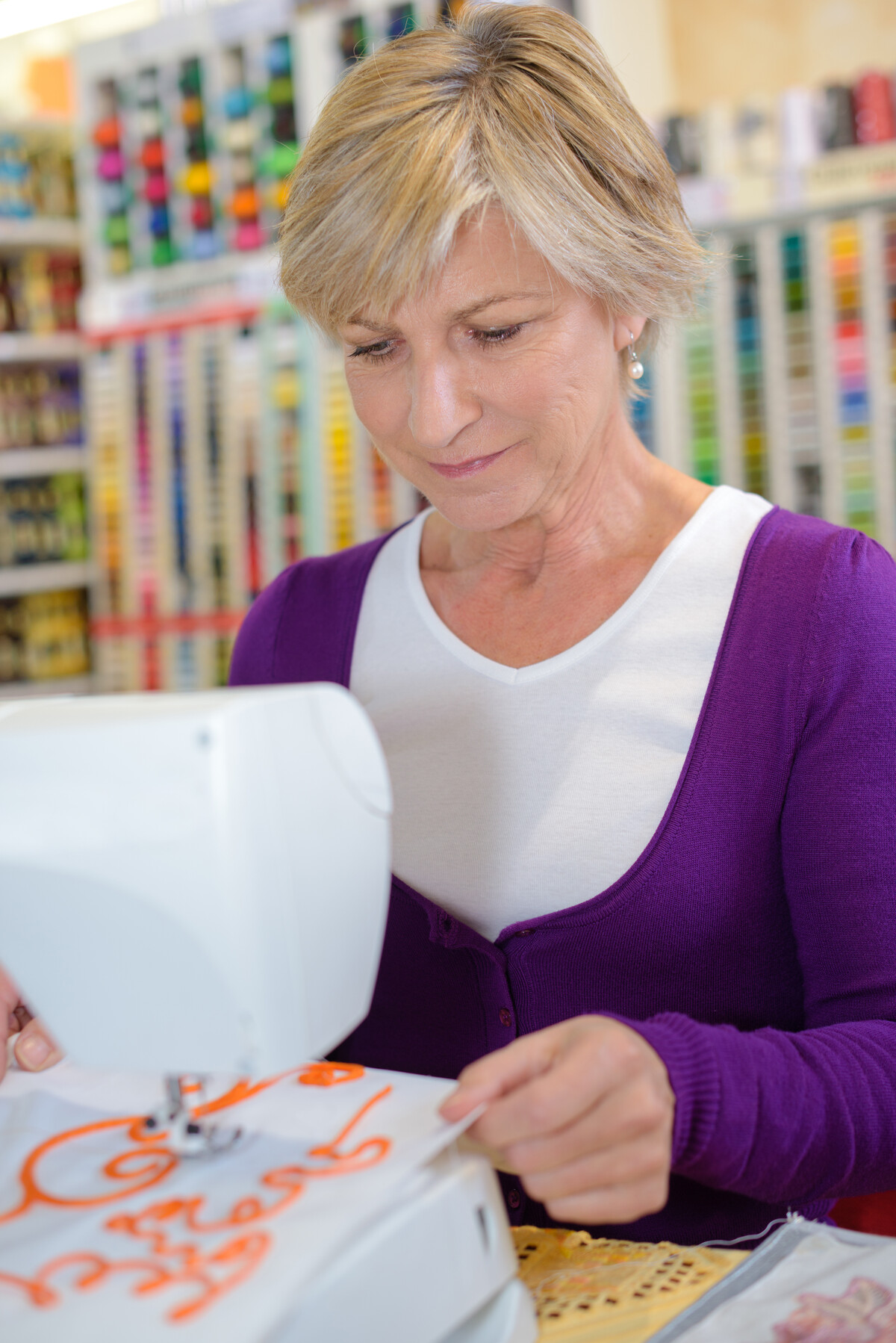
Modern sewing machines can range from simple mechanical models to computerized machines with touchscreens, stitch menus, memory settings, and specialty functions. None of that is bad. In fact, the right features can make sewing easier and more enjoyable.
But more features aren’t automatically better. A machine should make sense when you sit down in front of it. You should be able to change stitches, adjust speed, lift the presser foot, wind a bobbin, and thread the machine without feeling like you need a pilot’s license.
Trying a machine in person helps you answer a very practical question: “Will I actually want to use this?”
Sound and Handling Tell You a Lot
A sewing machine’s sound, vibration, and fabric handling are hard to judge from a product photo. In person, you can hear whether the machine feels smooth or clunky. You can test how it feeds cotton, denim, knits, or thicker layers. You can see how much space you have around the needle and whether the lighting helps you see your work.
That’s especially important if you want to quilt, sew garments, make bags, or work with home décor fabrics. Different projects put different demands on a machine, and buying guides often recommend choosing based on project type, frequency of use, and sewing goals.
A Quick Test Drive Can Save a Lot of Guesswork
Reviews are useful, but they’re written by other people with different hands, habits, budgets, and projects. A machine one person loves may feel awkward to someone else.
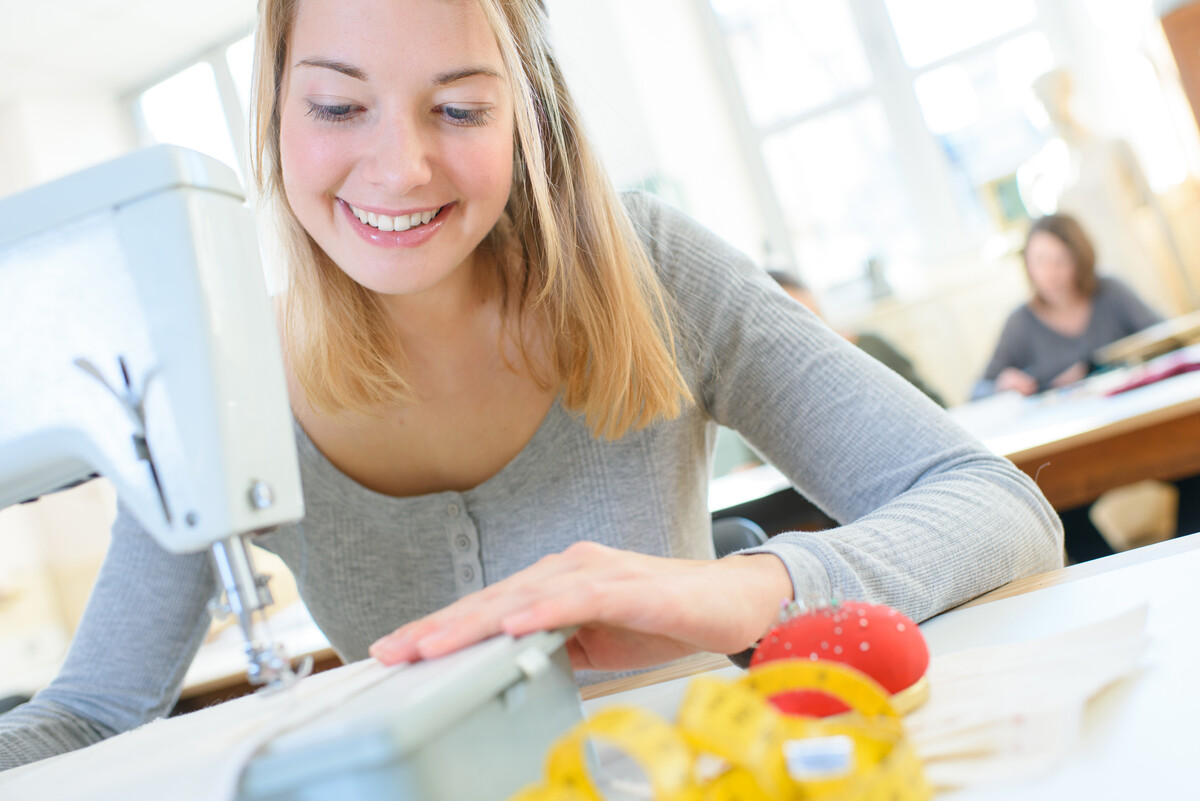
When you test a machine, bring the kind of fabric you actually sew. Try a straight stitch, a zigzag, a buttonhole, and a thicker seam. Notice how the machine feels when you start, stop, turn corners, and adjust settings.
You’re not just checking whether the machine works. You’re checking whether it fits.
Come Sit Down and Try One
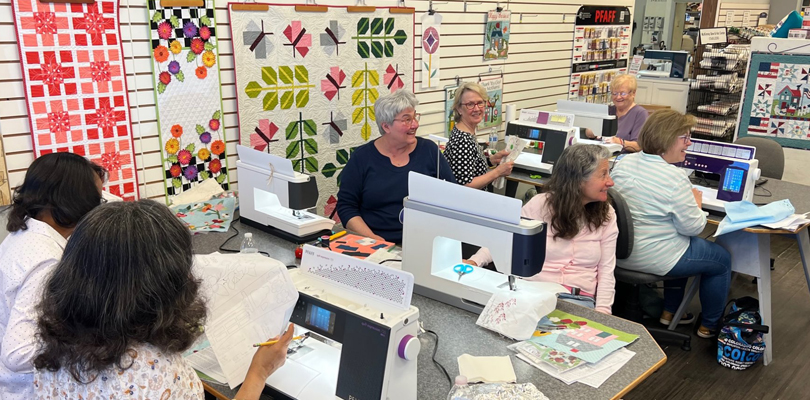
At McKinney Sew & Vac, you don’t have to make the decision from a screen. You can ask questions, compare machines, test features, and talk through what you really want to make. The right sewing machine should feel like a creative partner, not a mystery box on your sewing table.
Recent Posts
Oct. 01, 2026
The Return of Texture
Sep. 01, 2026
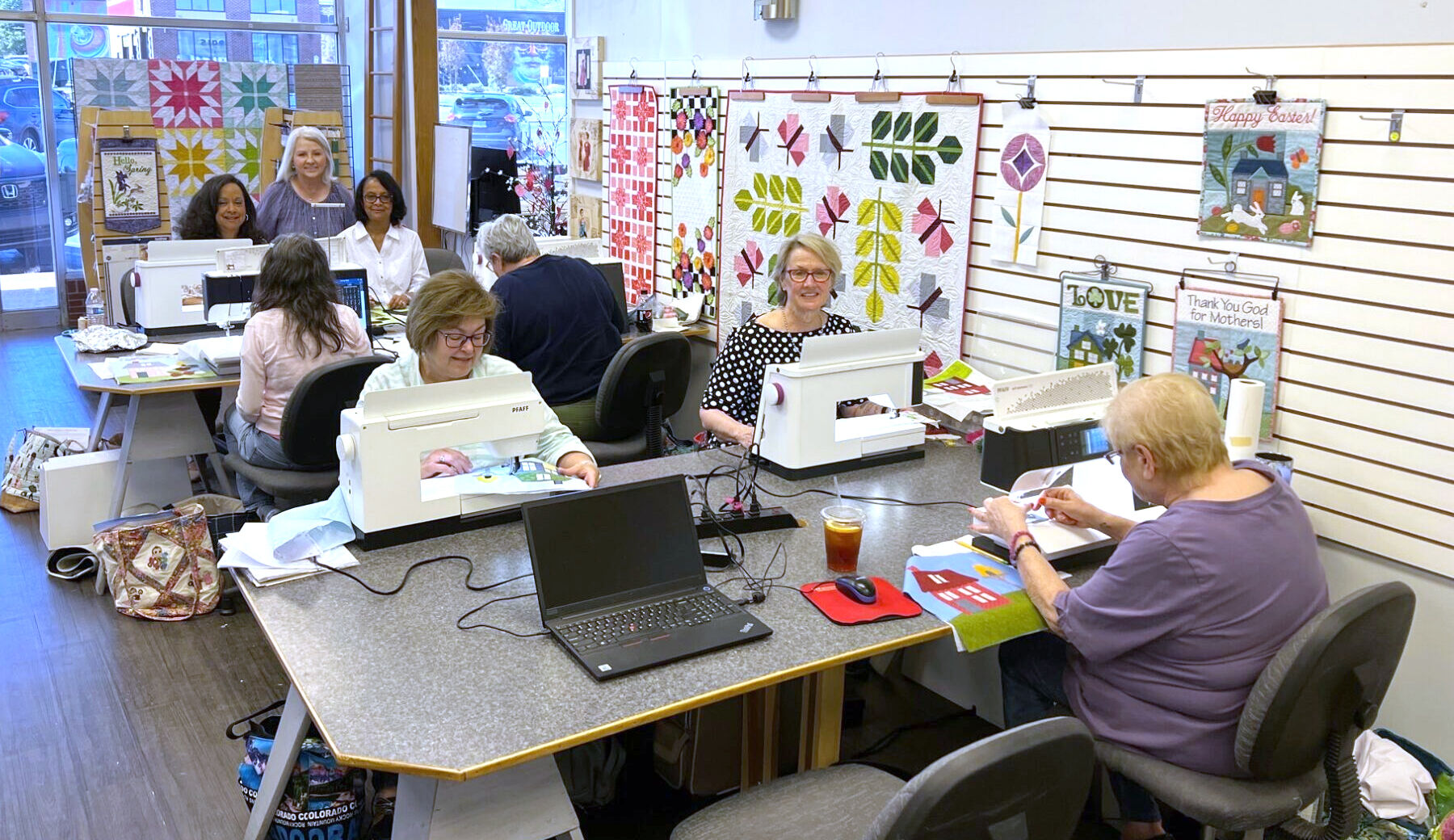
Why Craft Nights, Classes, and Creative Communities Matter More Than Ever
Aug. 03, 2026
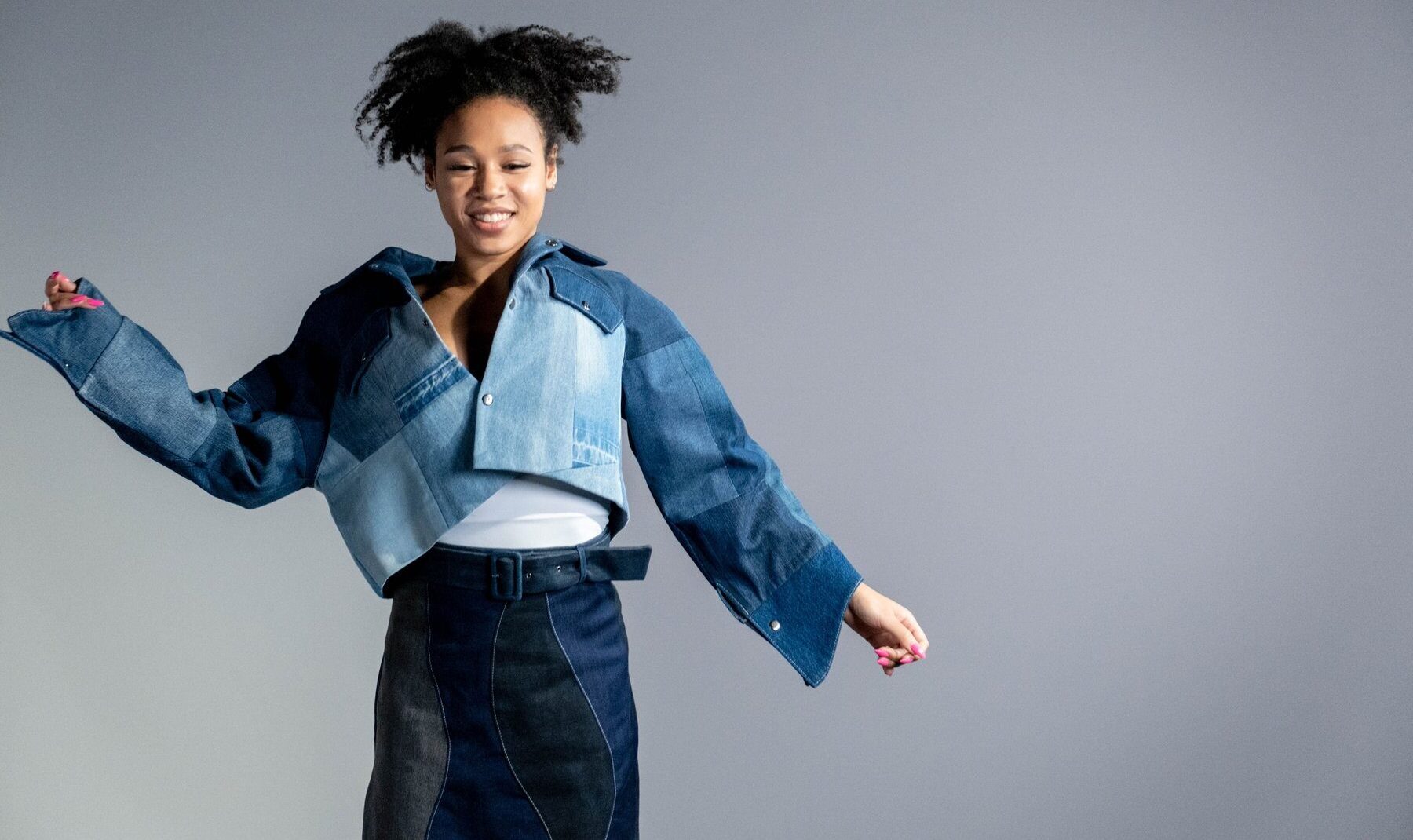
Reworked Denim Is Having a Very Sewable Moment
Jul. 01, 2026
Why Sewing Feels Cool Again
Jun. 08, 2026