
The best thrift flips usually don’t start with perfection. They start with potential.
Start with a piece that has some promise
The best thrift flips usually don’t start with perfection. They start with potential.
Maybe it’s a sweatshirt with a great logo and a weird fit. Maybe it’s a pair of jeans with a good wash but not much else going on. Maybe it’s a button-down with nice fabric that just needs a little imagination.
A good thrift-flip candidate usually has at least one thing worth saving:
- a graphic or logo you like
- good fabric
- a color or wash that stands out
- a shape that’s almost right
- a worn spot that could become a patch or stitched detail
You’re not looking for perfect. You’re looking for “I could do something with that.”
Keep the first project simple
This is where people can get a little carried away.
Your first thrift flip does not need to become a full-blown fashion experiment. Usually, one smart change goes a lot further than ten questionable ones.
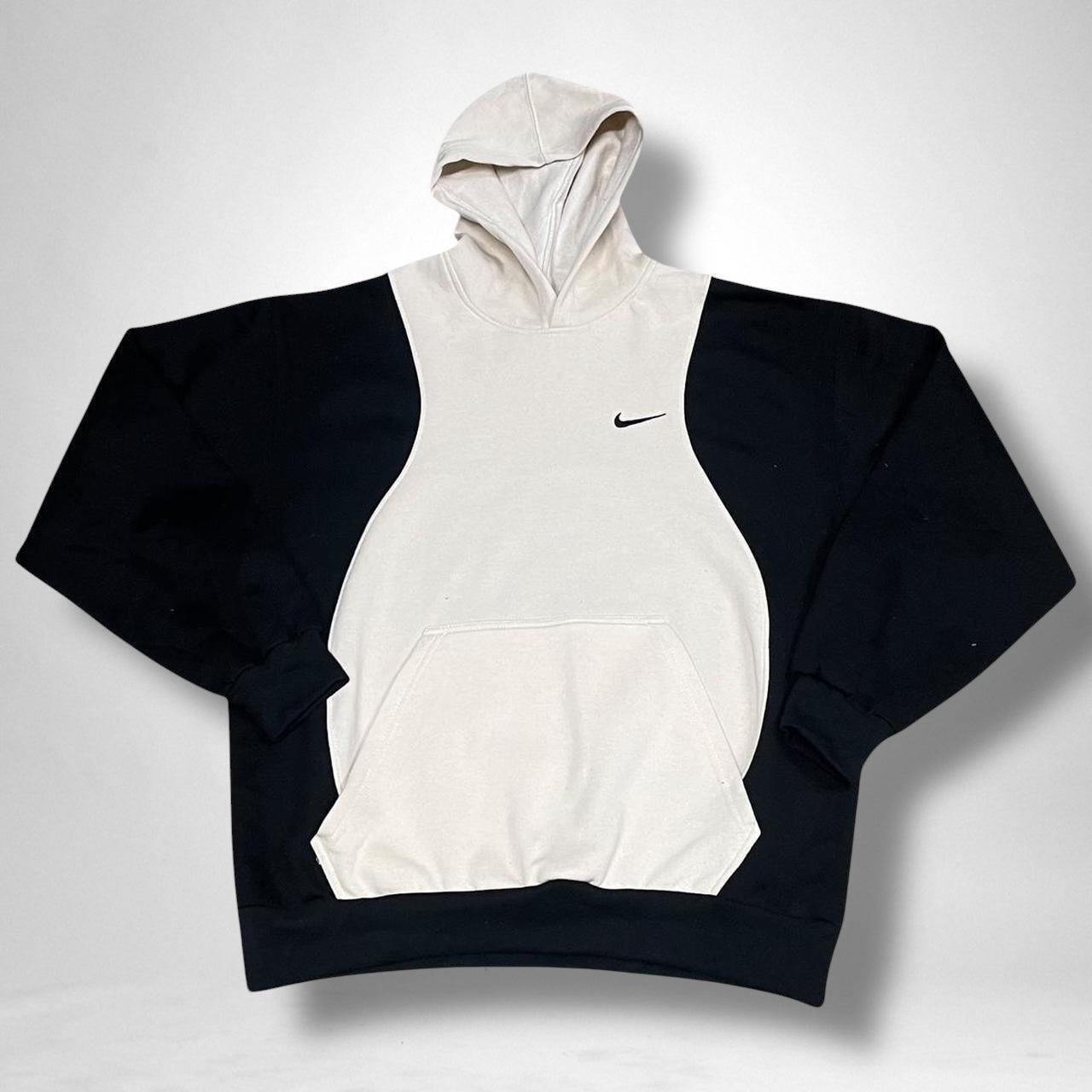
That might mean:
- cropping a sweatshirt
- reshaping a tee
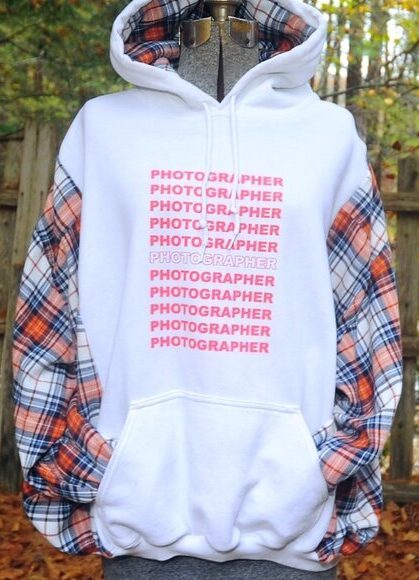
- combining two shirts for contrast
- adding a side panel
- patching a worn area
- using embroidery or decorative stitching to turn damage into a design detail
That’s part of what makes this trend so fun to watch right now. The best pieces don’t look overworked. They just look cooler, more personal, and a little more like the person wearing them.
Use the machine you have before assuming you need more
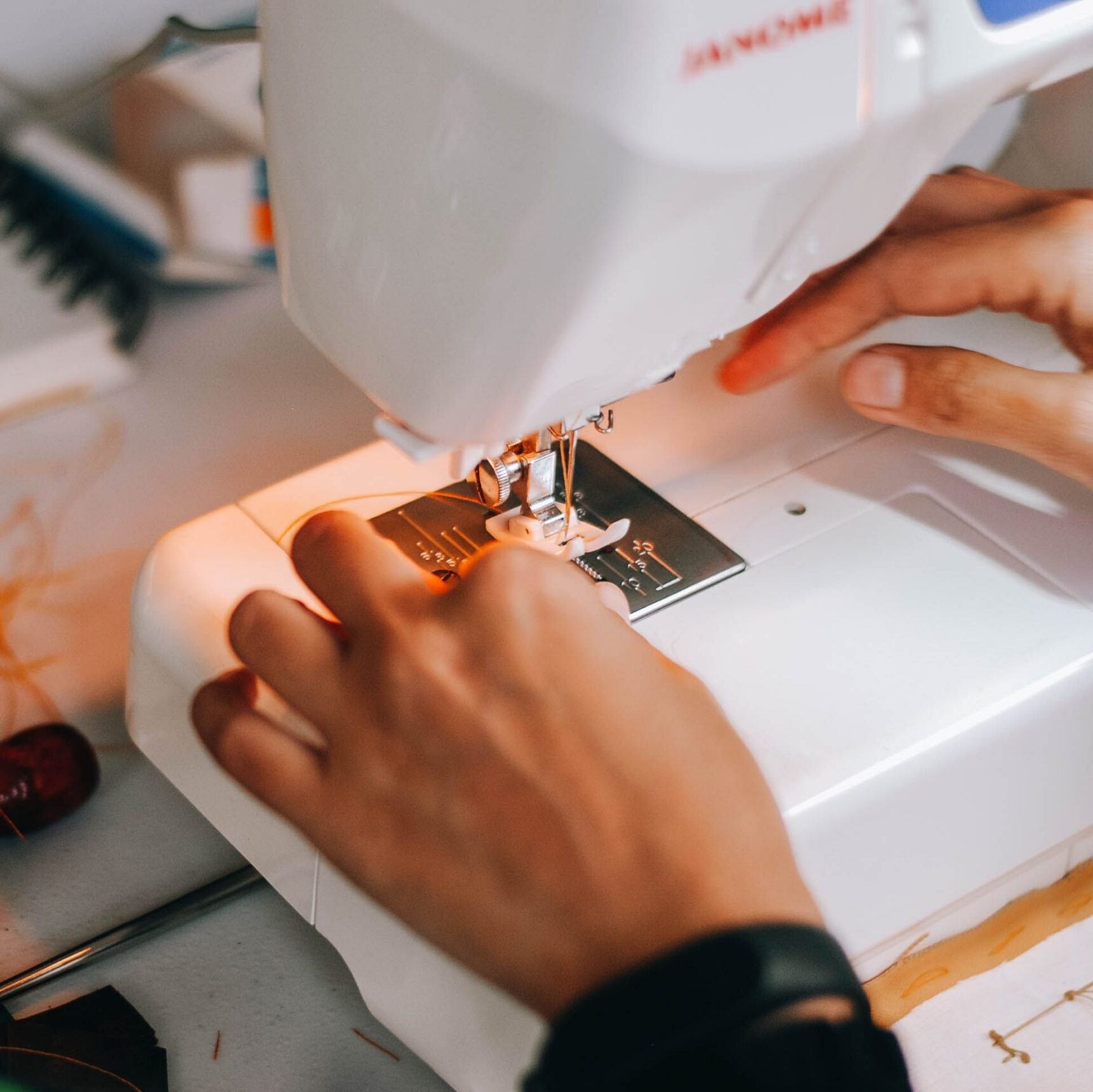
For a lot of thrift-flip projects, your current machine may be just fine.
If you mostly want to work on:
- tees
- sweatshirts
- lighter shirts
- simple patching or decorative mending
...you may just need the right needle, the right foot, and a setup that handles the fabric nicely.
If you’re drawn to embroidery mending or decorative patching, good stitch control helps, and embroidery capability may be worth exploring if you want to add more detailed stitched designs or embellished repairs.
Some projects are easy. Some get bossy.
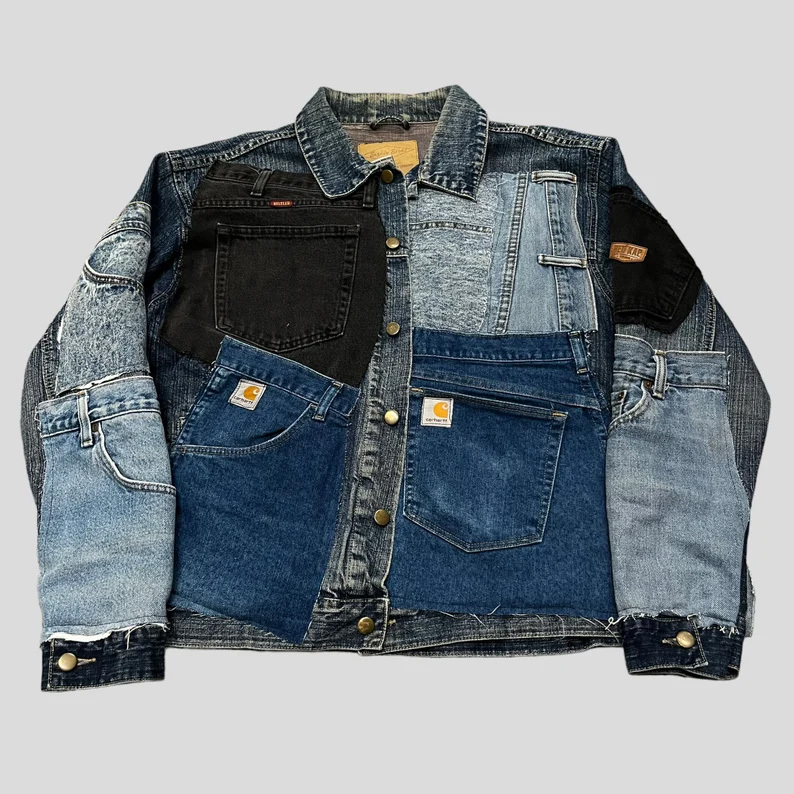
If you keep getting pulled toward:
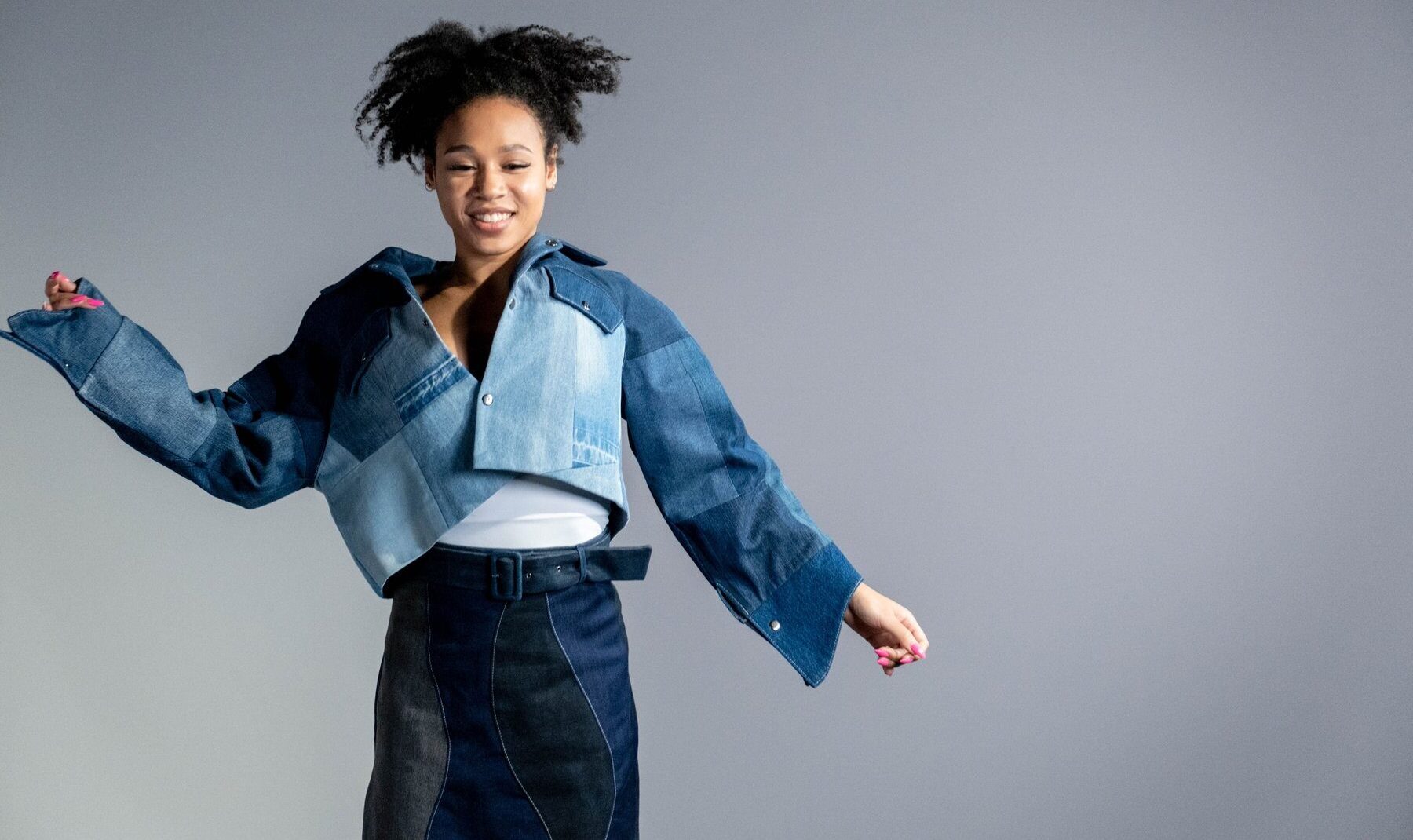
- pieced denim
- thick seams
- crisp topstitching
- more heavily rebuilt garments
…that’s when the project starts asking a little more from the machine.
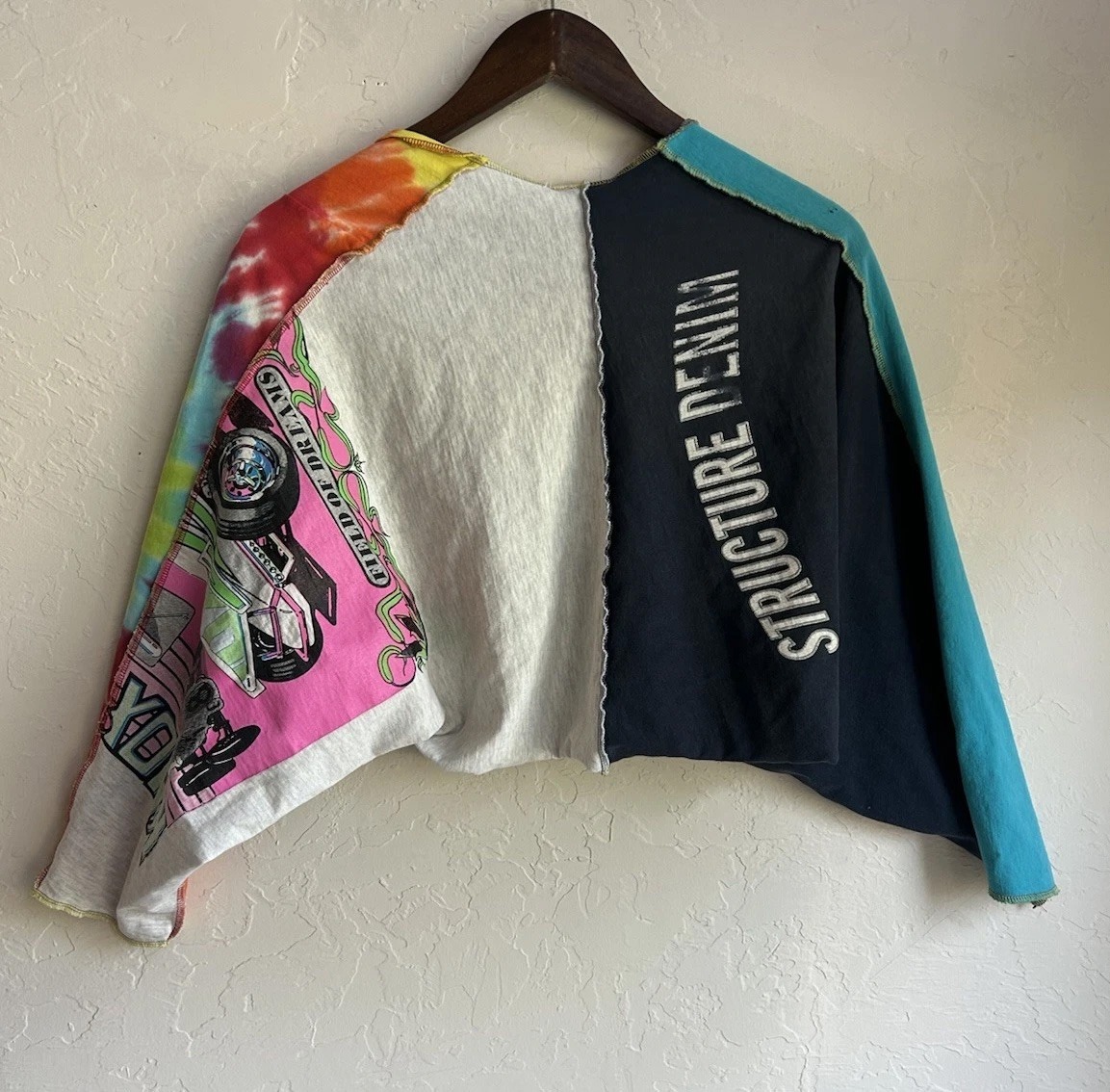
That doesn’t always mean you need a new one. Sometimes you just need better tools or a better setup. But sometimes a sturdier machine really does make the whole thing smoother.
That’s where McKinney Sew & Vac can help
A lot of people don’t need help finding inspiration. They’ve already seen the look. What they need is help figuring out how to actually make it work.
That’s where McKinney Sew & Vac comes in. If you’re wondering what needle to use, what foot might help, whether your machine is enough, or whether embroidery features would be worth having, those are the kinds of things it helps to talk through with somebody in person.
That’s the nice thing about a trend like this. It feels current, but it still comes down to something sewists have always been good at: looking at something ordinary and seeing what it could become.
Recent Posts
Oct. 01, 2026
The Return of Texture
Sep. 01, 2026
Why Craft Nights, Classes, and Creative Communities Matter More Than Ever
Aug. 03, 2026
Reworked Denim Is Having a Very Sewable Moment
Jul. 01, 2026
Why Sewing Feels Cool Again
Jun. 08, 2026