
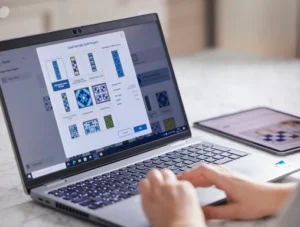

Texture is back in sewing and fashion. See how embroidery, visible stitching, appliqué, quilting, and layered fabrics can make projects stand out.
Why Stitching, Layers, and Fabric Detail Matter Right Now
For a while, fashion seemed to be all about looking clean, smooth, and perfectly put together. Now texture is coming back—and honestly, it’s a lot more fun.
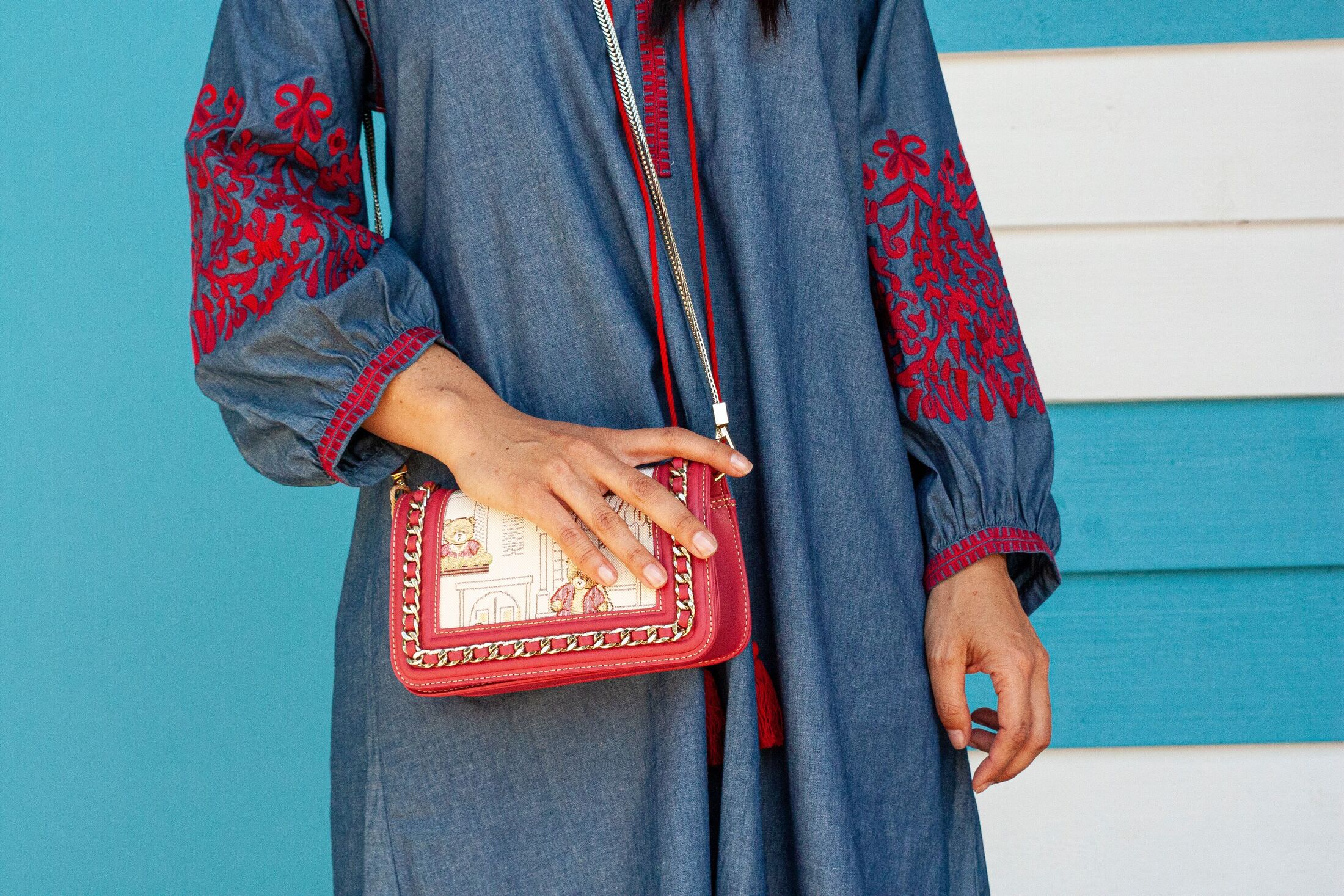
Embroidery, visible stitching, appliqué, crochet, quilted details, and layered fabrics are showing up across clothing and accessories. Etsy has even named the growing interest in crochet, embroidery, and stitched texture the “Soft Stitch Era,” with searches and sales increasing for items like embroidered bags, embroidered jeans, handmade jumpers, and crochet clothing.
For people who sew, that opens up all kinds of possibilities.
Texture Makes Simple Projects More Interesting
You don’t have to start with an elaborate embroidery design or a complicated quilted jacket. Sometimes one thoughtful detail is enough to change the whole feel of a project.
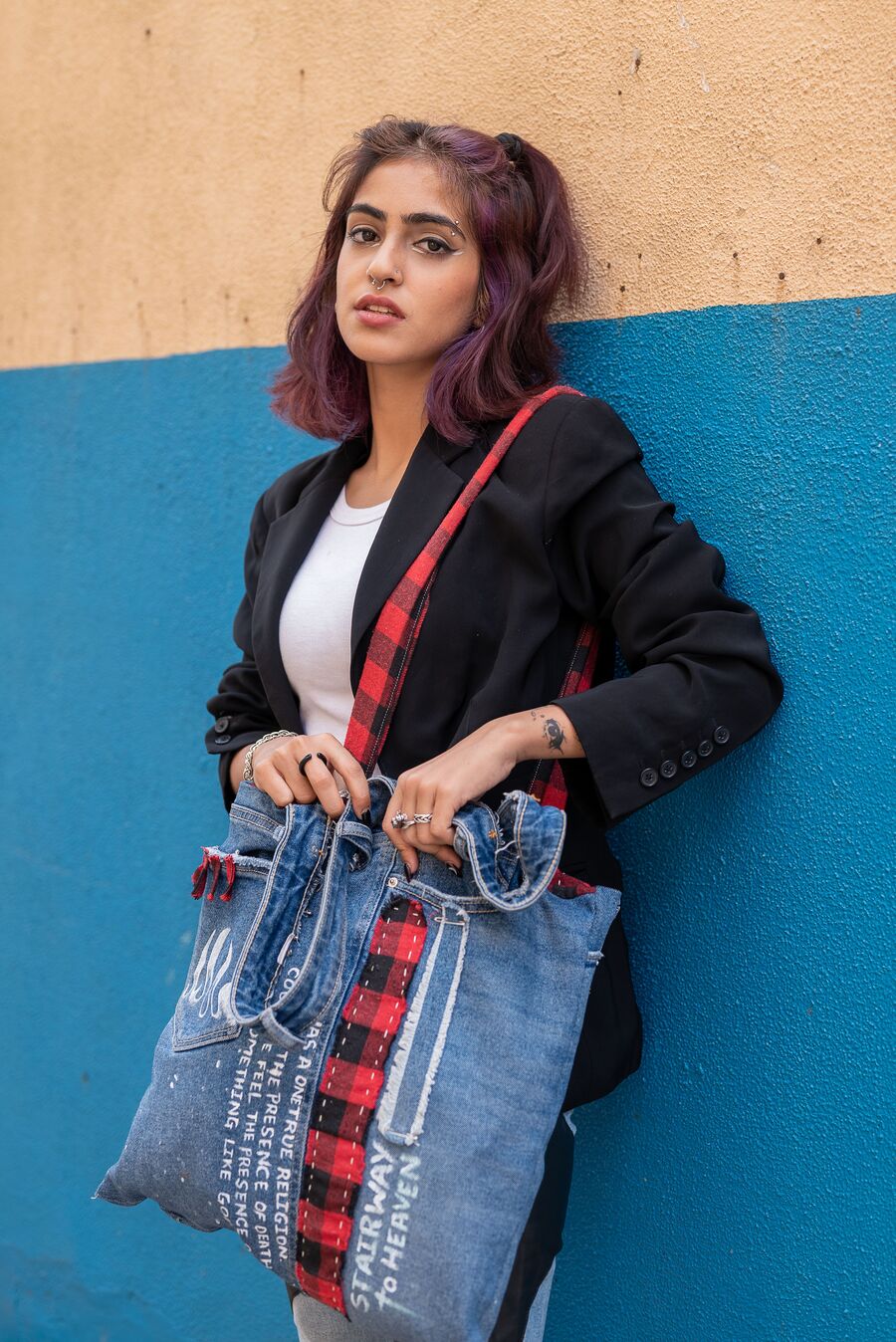
A row of decorative stitching can make a plain pocket stand out. Contrasting fabric can give a basic tote bag more personality. Quilting can add depth to a jacket, pillow, or table runner. Even a visible repair can become part of the design instead of something you’re trying to hide.
Current embroidery trends are leaning toward raised stitches, fringe, layered materials, bold florals, and other details that add movement and dimension. It’s less about making everything look perfectly flat and more about giving the eye—and sometimes your fingers—something interesting to notice.
You Get to Wear Something No One Else Has
Sewing can feel a little overwhelming when you’re new or when you’re trying a machine feature you’ve never used before. There are presser feet, stitch settings, tension questions, bobbins, needles, stabilizers, rulers, and plenty of little “why is it doing that?” moments.
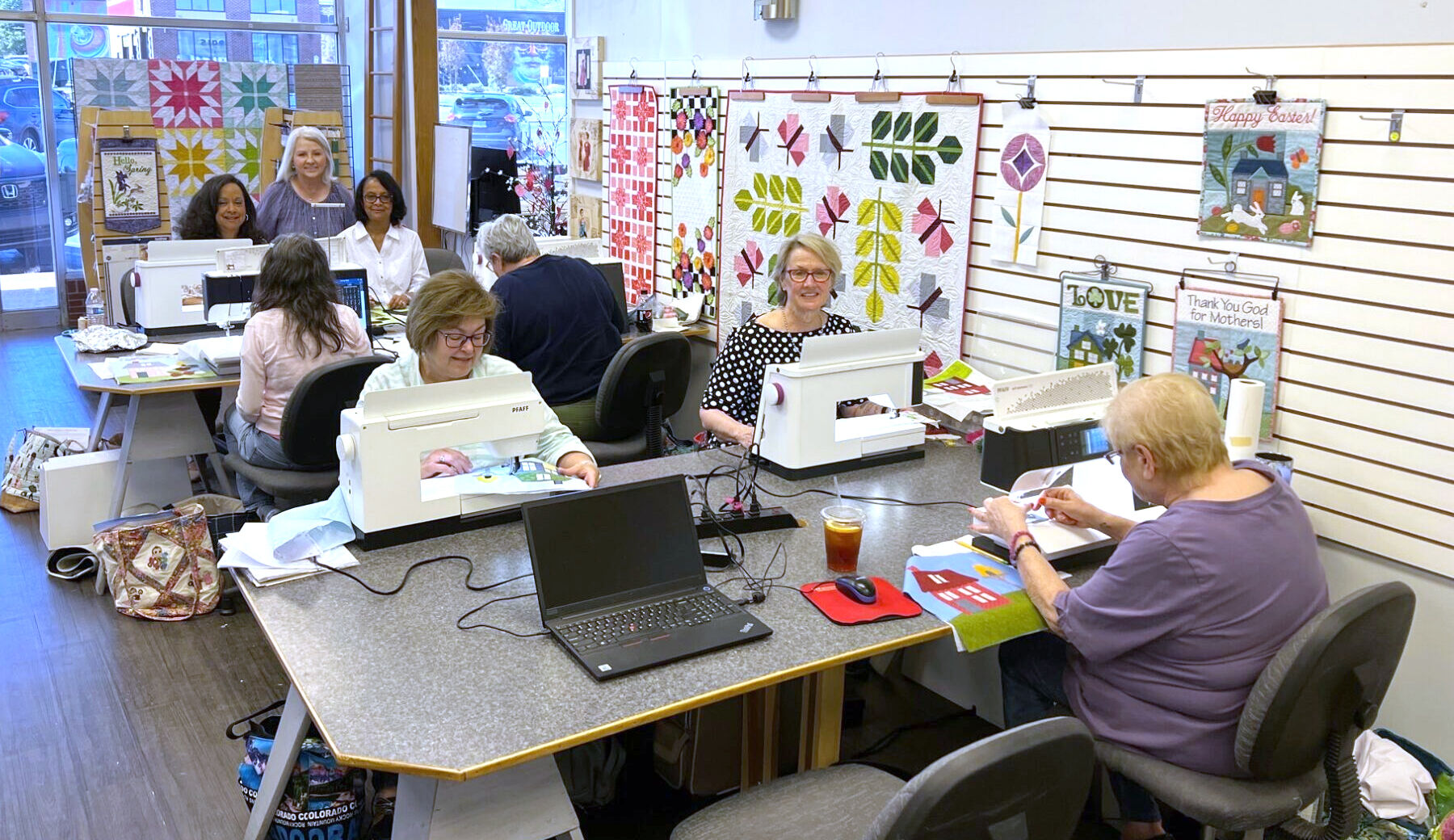
That’s where classes are so helpful. You don’t have to figure everything out by yourself. You can ask questions, see the steps in person, and get help before a small mistake turns into a whole evening of seam ripping.
This is especially true for quilting, embroidery, sergers, and garment sewing. A good class can help you understand not just what to do, but why it works. That kind of confidence tends to stick.
Layers Give Fabric More Life
Texture isn’t only decorative. Layers can change how a project hangs, moves, feels, and holds its shape.
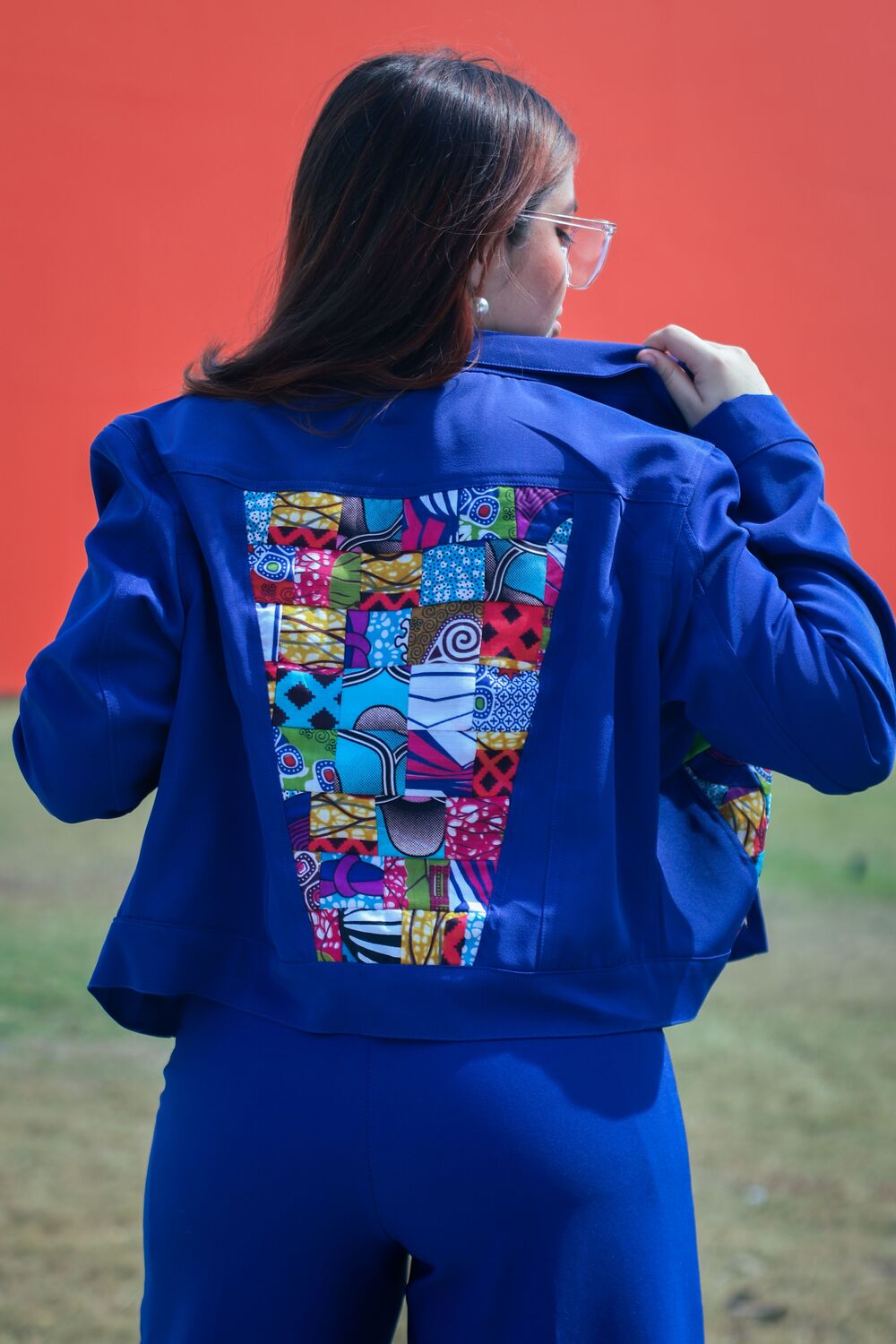
Think about the difference between a flat piece of fabric and one that has been quilted, gathered, tucked, pleated, fringed, or layered with appliqué. The basic fabric may be the same, but suddenly the piece has depth and movement.
Vogue Business identified artisanal fashion as an important style direction, pointing to increased interest in crochet, embroidery, textured garments, and handcrafted details that make clothing feel more distinctive and exclusive.
That’s really the appeal. People want pieces with character again—something warmer, more personal, and a little less predictable.
Try Adding a Little More Texture
The nice thing about this trend is that you can take it as far as you want. Start with decorative machine stitches. Try appliqué on a bag or sweatshirt. Add embroidery to something you already own. Quilt a piece of fabric before turning it into a pillow or jacket panel.
At McKinney Sew & Vac, we can help you explore the machines, feet, threads, stabilizers, and techniques that make textured projects easier. Whether you’re interested in machine embroidery, quilting, garment sewing, or simply using more of those decorative stitches you’ve been ignoring, there’s plenty of room to experiment.
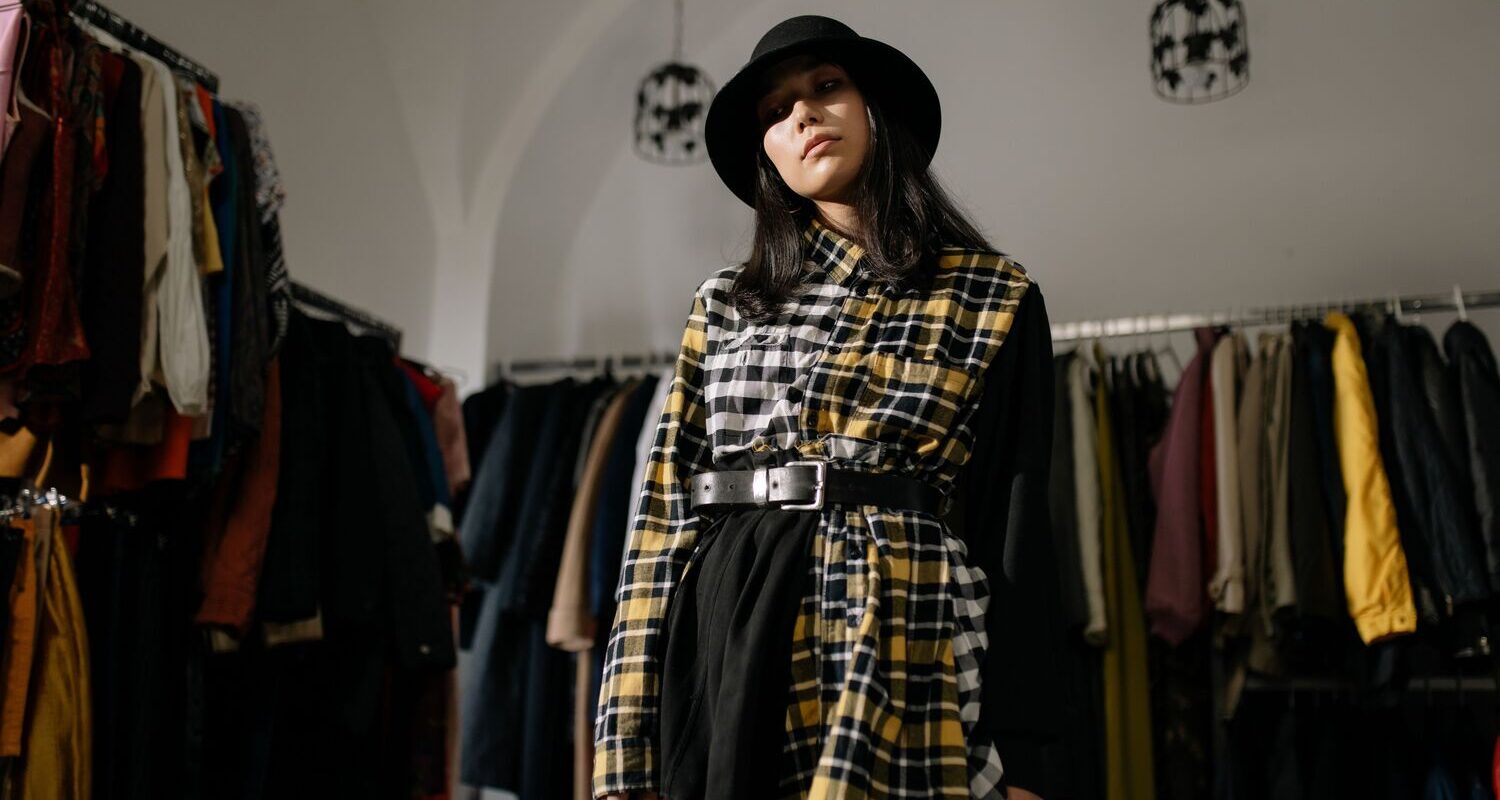
Because when you make it yourself, you don’t just get something new. You get something no one else has.
Recent Posts
Oct. 01, 2026
The Return of Texture
Sep. 01, 2026
Why Craft Nights, Classes, and Creative Communities Matter More Than Ever
Aug. 03, 2026
Reworked Denim Is Having a Very Sewable Moment
Jul. 01, 2026
Why Sewing Feels Cool Again
Jun. 08, 2026