
From barrel-leg pants and quilted jackets to embroidery and visible stitching, discover the sewing projects and styles people are loving right now.
It’s less about one big trend and more about making clothes interesting again
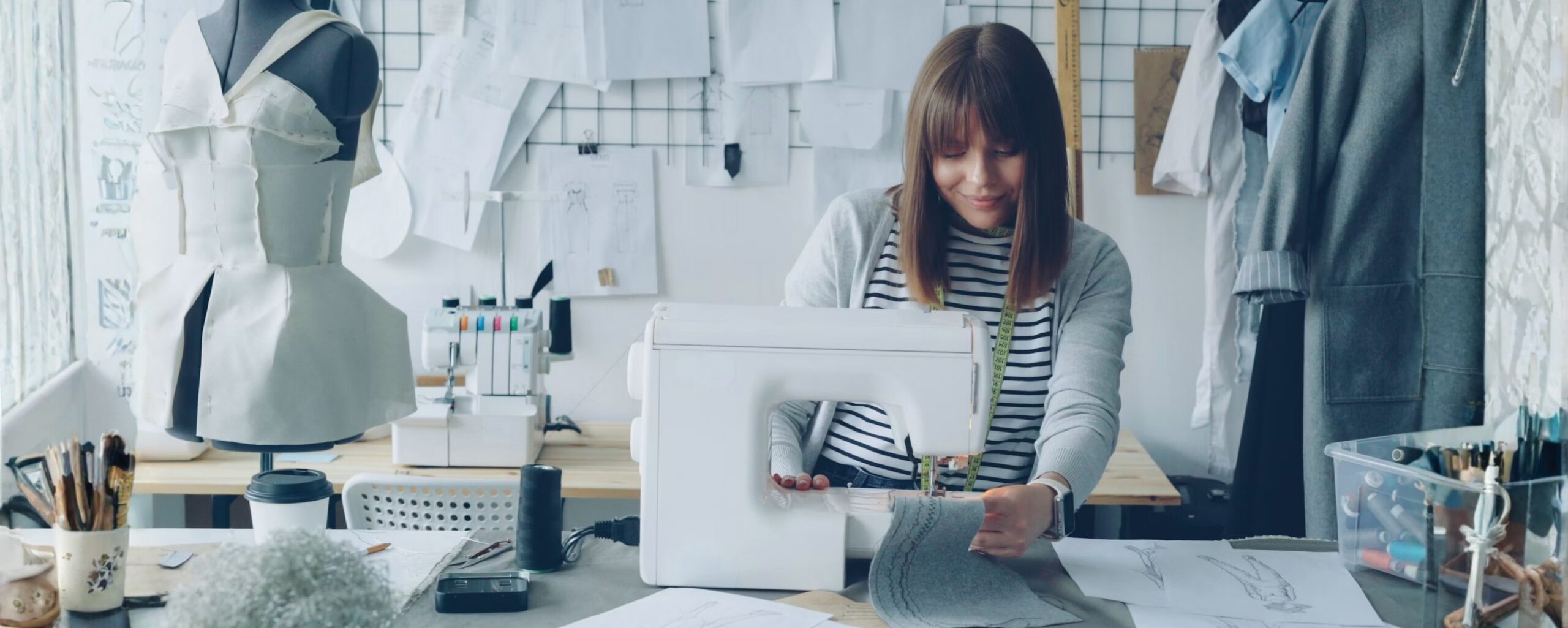
You’ve probably been seeing this already. The sewing projects getting attention right now aren’t especially fussy. They’re wearable, useful, and usually have one detail that makes you look twice.
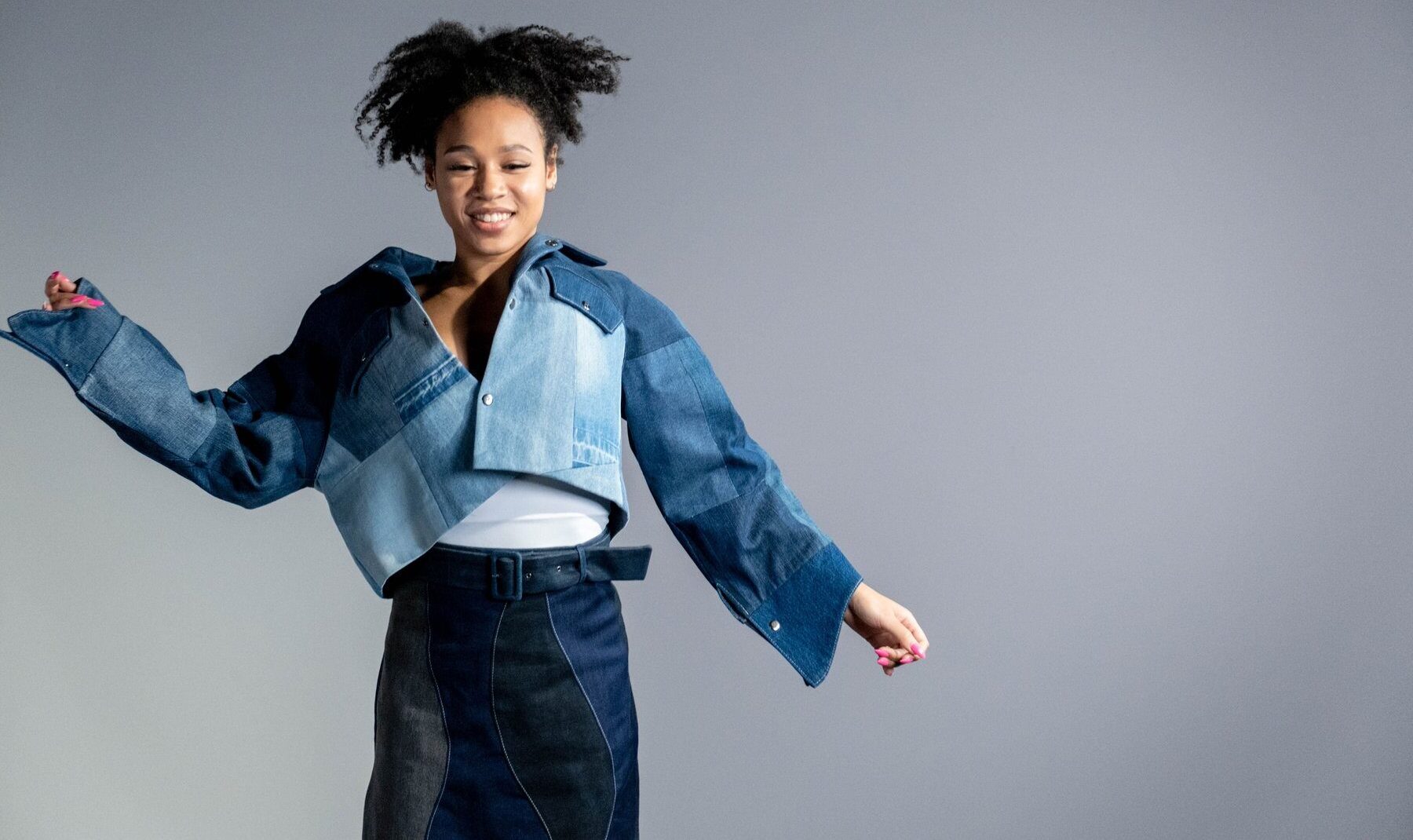
Think barrel-leg pants. Quilted jackets. Easy skirts with a little shape. Embroidery on denim. A basic shirt with great pockets or topstitching.
In other words, people are sewing things they’ll actually wear—but they don’t want them to look like everybody else’s.
Pants have gotten a little more interesting
Wide legs are still around, but barrel shapes and curved seams have really moved into the sewing-pattern world.
That’s a good trend for sewists because the shape can do most of the talking. You don’t necessarily need a wild fabric. A good cotton twill, denim, linen blend, or sturdy woven can make a pretty simple pair of pants feel current.
And yes, big pockets are still welcome.
Jackets are having a very sewable moment
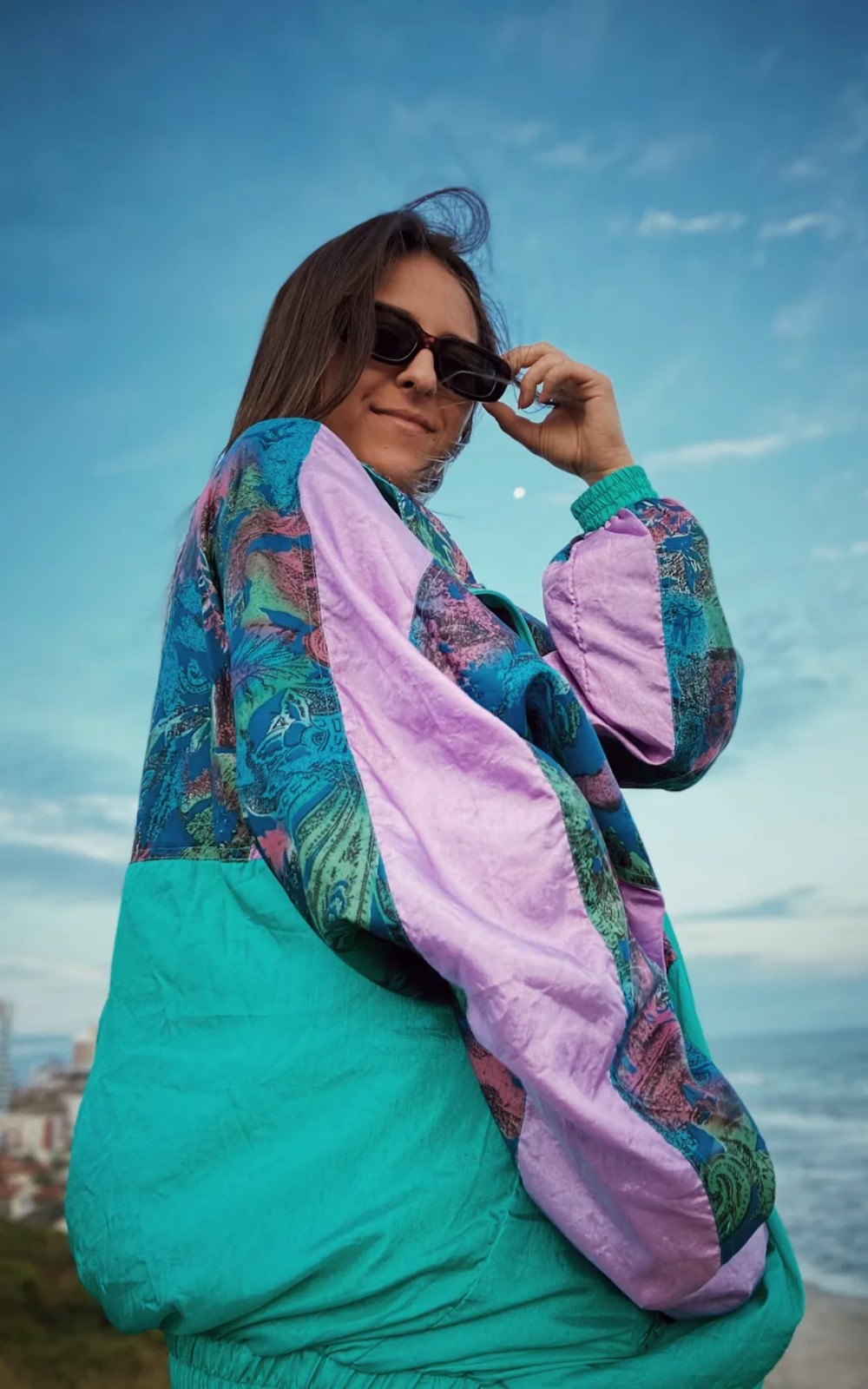
Chore coats, barn-style jackets, and quilted jackets keep turning up too.
You know the kind of piece I mean: roomy enough to layer, useful pockets, not overly tailored, and interesting enough that you can have some fun with fabric.
Quilted versions also give you a good excuse to mix garment sewing and quilting without turning the whole project into an ordeal.
People want the stitching to show
This may be the most sewist-friendly part of what’s happening right now.
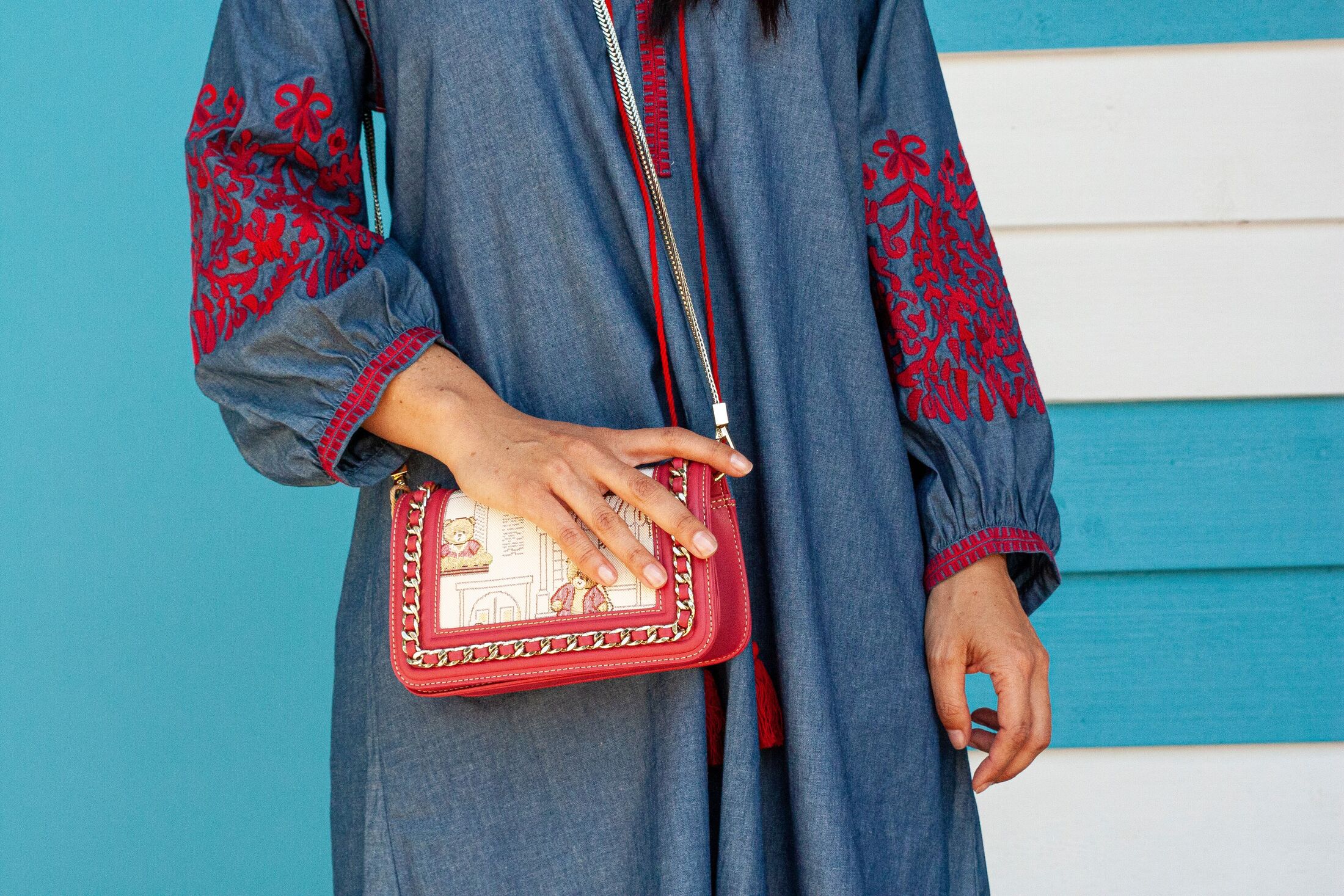
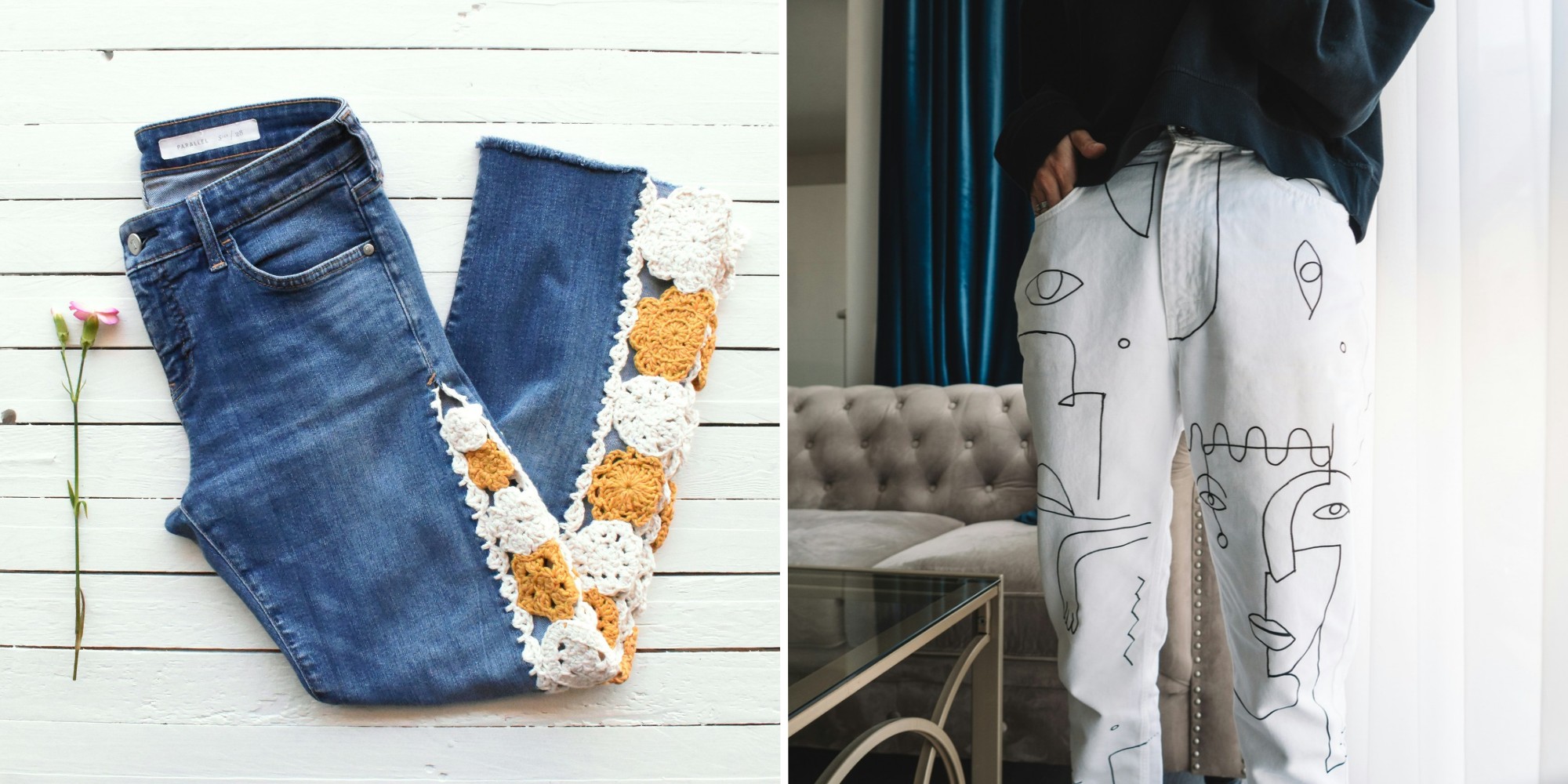
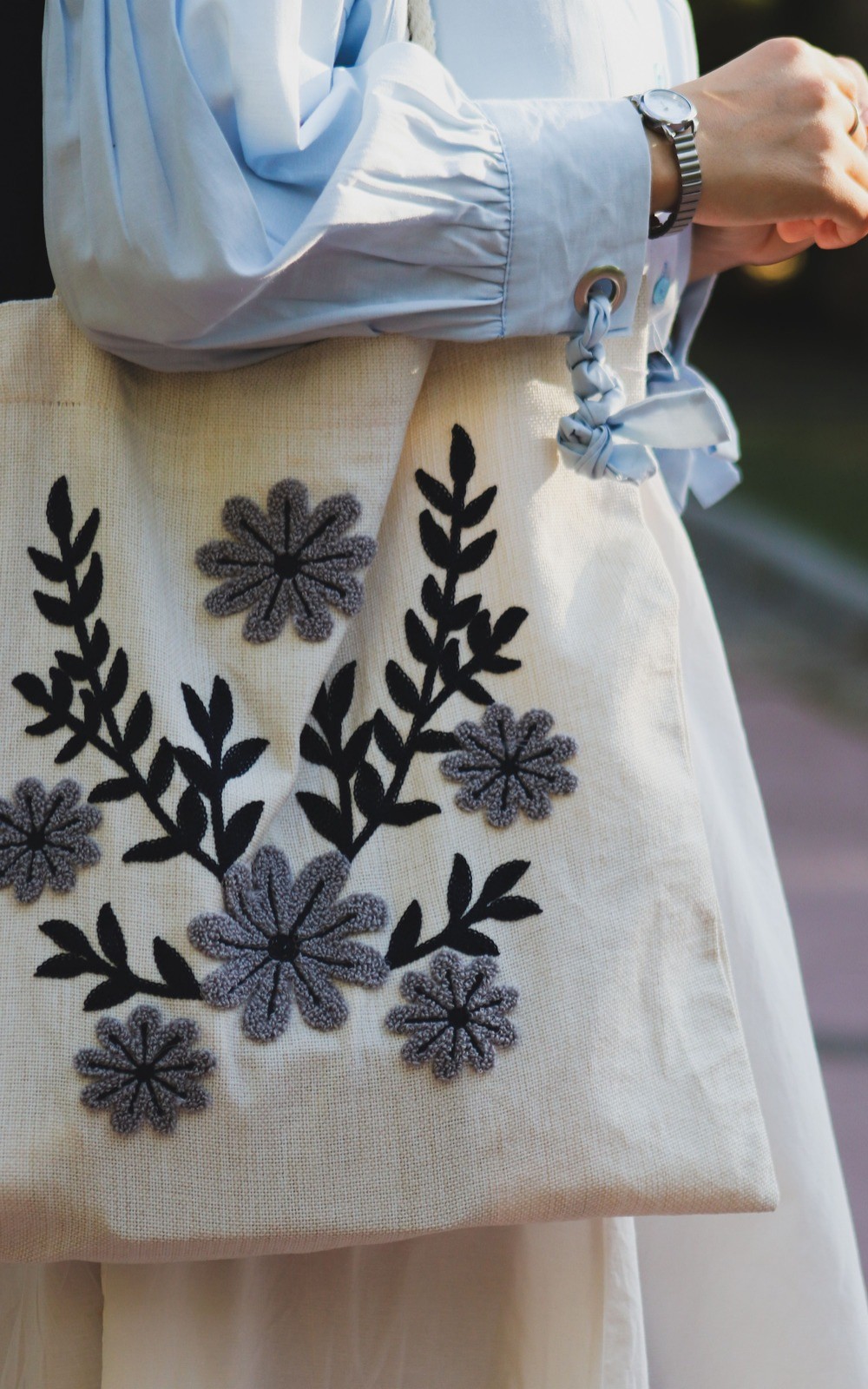
Embroidery, visible mending, decorative patches, contrast topstitching, and handmade-looking details are being treated as part of the design instead of something to hide. Etsy’s 2026 trend reporting has also pointed to stronger interest in embroidered clothing, bags, stitched texture, and visible mending.
So that pair of jeans with a worn knee? It may have just become a project.
Don’t overthink the machine side
A lot of this can be done on the machine you already own.
For heavier pants or jackets, a denim needle and good fabric handling can make life easier. A walking foot or dual feed can help when quilted layers start shifting around. For decorative work, good stitch control matters, and embroidery capability can be fun if you want more elaborate details—but it’s certainly not required.
Sometimes the right needle or foot solves the problem.
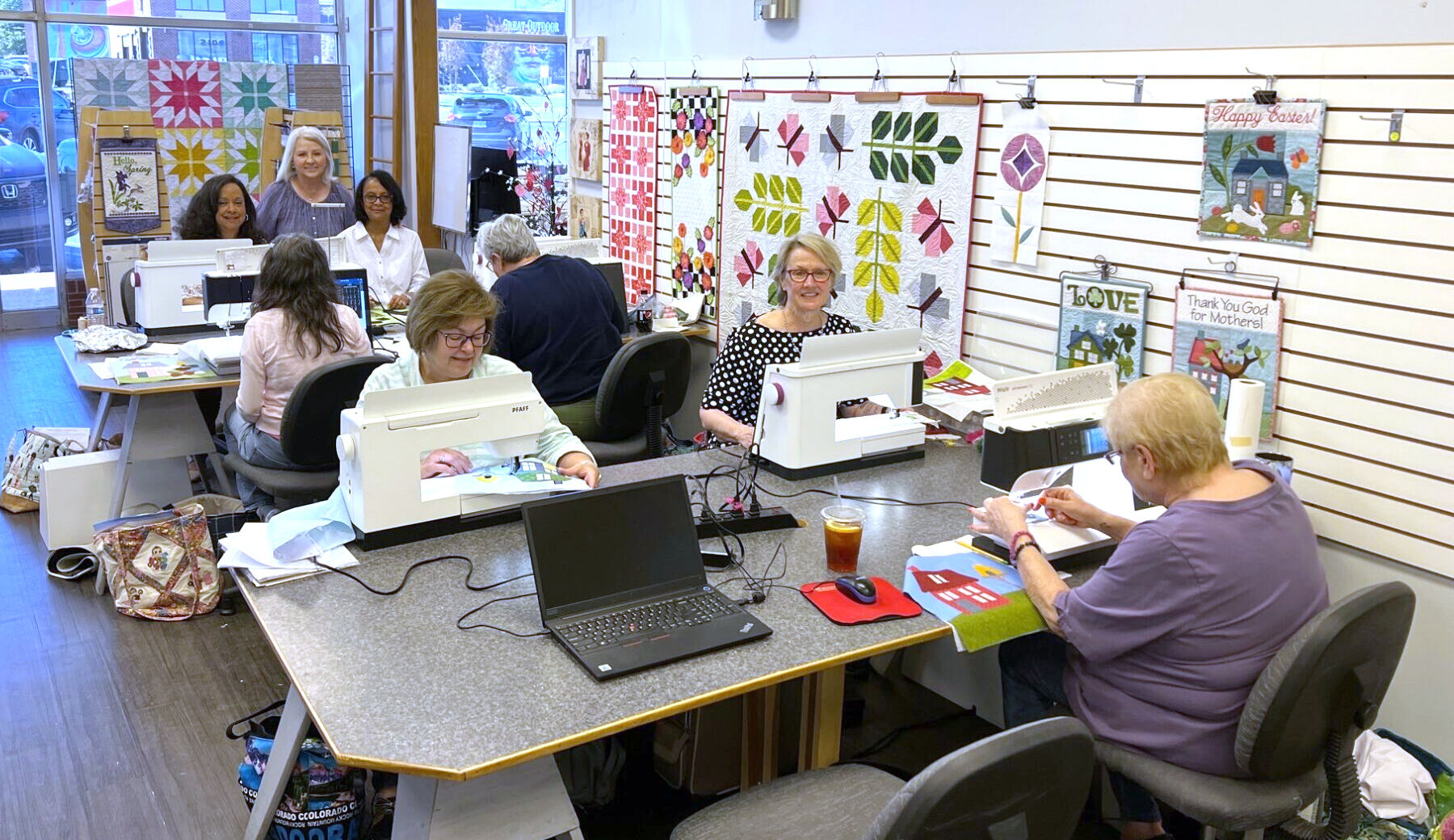
And if you’ve got a project in mind and aren’t sure what your machine will happily handle, bring the idea into McKinney Sew & Vac. We can talk through the fabric, the setup, and what would actually help before you make it more complicated than it needs to be
Recent Posts